Statement by Nova Scotia Parents for Public Education on NSTU strike vote 2024
We were there for teachers in 2016-17. And we are here for teachers today.
Nova Scotia Parents for Public Education is a group of parents, grandparents, teachers and others in Nova Scotia interested in promoting the principles of public education. And we believe that teachers are the backbone of public education.
We began as “Nova Scotia Parents for Teachers” in 2016 amid the labour dispute between the Nova Scotia Liberal provincial government and the teachers’ union. Very quickly, our Facebook group grew and we still maintain tens of thousands of members. As that labour dispute ended, we decided to broaden our focus and our name to Nova Scotia Parents for Public Education.
What goes around comes around. Now teachers are locked with another provincial government in a labour dispute. The NSTU has called a strike vote among its members for 11 April.
The issues that lay behind the battles of 2016-17 are similar to those today. As the adage goes, our children’s learning conditions are teachers’ working conditions.
Levels of violence in our schools are rising, posing great challenges to our teachers and students.
There is a shortage of qualified teachers. The current government’s response, which is to lower the educational standards for new recruits, is not the answer to the demands of increasingly complex job.
Classroom conditions are deteriorating catastrophically. The quality of air in many schools is below health standards, especially as COVID-19 remains a hazard. Classrooms are crowded. Teachers’ workloads are onerous. Our kids feel the effects of the teachers’ burnout. Our schools will only improve when those issues are addressed.
Teachers’ compensation still lags well behind the Canadian average. Despite some “catch-up” from the disastrous government wage edicts of the past, teachers still make less in real money than they made twenty years ago.
We live in a society where socio-economic disparity is increasing. While our province’s prosperity has increased over the last fifty years, and the rich get richer, wages for most people have fallen. Intergenerational socio-economic mobility is decreasing or stagnant – people in younger generations just cannot get ahead.
Nova Scotia has one of the highest rates of child poverty in the country, which has become one of the biggest challenges faced by our education system.
Progressive public education has traditionally been one of the most powerful social programs directed at resisting these trends. On the whole, Canada has one of the best public education systems in the world, and we believe that we must strengthen it as a program for social justice for every student.
Public education has been under sustained attack in Nova Scotia. The notion of teacher professionalism has been a prime target. Not so long ago, teachers, with their specialized training, were entrusted with the care and development of children, were respected, and were fully involved in the setting of the rules and curricula that governed their work.
In P-12 education, the assault against teachers’ collective bargaining, the removal of principals and educational specialists from the bargaining unit, and the elimination of elected, English-language school boards is part of a not-so-hidden strategy of taking control of education away from citizens and placing it within the hands of government and its bureaucrats, many of whom are not educators.
We hope a strike can be avoided, but we have great faith in teachers. If they vote in favour of a strike on April 11, we know it is for the sake of the changes that our public schools desperately need.
The habitual failure of Regional Centres for Education to provide a safe and successful learning and working environment.
Halifax West – Yet Another Silent Crisis
On Friday February 23rd, Halifax Regional Police posted a news bulletin via X (formerly Twitter) advising the public of police presence at Halifax West High School.
“Halifax Regional Police is currently on scene at a Halifax high school in relation to a disturbance. At approximately 12:25 p.m. officers received reports of groups of students fighting at Halifax West High School located at 283 Thomas Raddall Drive. A number of youths have been arrested and police are maintaining a visible presence in the area. The investigation is in the early stages and additional information will be provided when it becomes available.”
Multiple confirmed sources have offered additional information about the severity and scope of the situation on Friday. Here’s what we do know:
First, there was a very large police presence at Halifax West High School. There appears to be at least 16 police cruisers parked outside the school in one of the photos we’ve received.
Second, there has been no public statements from Halifax Regional Centre for Education or Halifax West High School about the hold and secure.
So, what exactly happened to elicit the strong response? It’s hard to say. There have been social media comments from individuals, identifying themselves as students attending school that day, detailing multiple fights and multiple arrests. They’ve also described police with long guns in the hallways and a K9 unit as well. There have been comments from parents stating their children couldn’t make it back to a classroom when the hold and secure occurred, so they had to hide in the restrooms. Other students claim they were outside during the hold and secure, and then couldn’t make it back inside the school.
Estimates of police officers who were on the scene are varied. Based on the photo confirming 16 police cruisers were in the parking lot, it was at least that number. We have received unconfirmed reports of 24 cruisers and 30 officers.
Most importantly, there have been multiple unconfirmed reports that this incident was a sprawling result of a possible hate crime. It is alleged a student had their hijab pulled off of their head by another student, which resulted in a large number of students engaging in response. If this is accurate then there needs to be some serious dialogue and a deep dive inquiry into how to prevent such offensive actions from happening. The other unconfirmed claims paint a very violent and incredibly volatile situation.
But, once again, the public is left in the dark. By another school and a Regional Centre for Education. Our local news media should be asking these questions instead of simply repeating the contents of a police report in their coverage. We challenge local media to step up and demand answers about our education system from the province, all Regional Centres for Education and each school when these obviously serious incidents occur. Even though the official response from the province or any random Regional Centre will involve nothing more than a few words ending with “we’re dealing with this according to the Provincial School Code of Conduct,” the questions must be asked and that predictable answer is getting mighty tired. Talk to us like adults. You’re funded by the public and the public has had enough of the platitude that schools are “a microcosm of society.” That’s a cop-out, no pun intended.
The disconnect or denial from our elected officials and the higher level management in government departments is broad on the issues faced in public schools. It is not hard to understand at least some of the struggles and external influences that our students are facing, including poverty, domestic violence, learning differences. Our group and educators have been pointing the issues out of years. A member of our group expressed disgust with the lack of awareness, citing our Prime Minister’s recent comments, considering violence is up in schools, and homes are the # 1 place kids experience abuse.
Now is the time to have an open, inclusive dialogue about our education system, comprised of those employed by it, those who manage and oversee it, and those who entrust their children to attend it. While each Regional Centre for Education has announced upcoming “public engagement sessions,” the actual meat of the meeting has not been established. We aren’t provided any information about who will be in attendance. We haven’t been given any kind of framework or agenda. The goal on the invite is to “increase local voice.” Since 2022, they’ve received plenty of feedback through multiple online surveys. So what effect these discussions will have, if any, is a toss of the coin.
Our voices have already been loud. We’ve already been heard. Our voices don’t require any strengthening. We’ve been ignored thus far. By school administrations, Regional Centres for Education, Department of Education and Early Childhood Development AND Ministers and Deputy Ministers of Education. In case all of these entities have missed the point entirely, we want them to actually take our feedback and do something with it.
We’re thankful for Halifax Regional Police for being on-site and ultimately de-escalating the situation, but it shouldn’t have come to that.
A violent altercation requiring a response of at least sixteen police cars is indicative of something deeper and uglier that’s been brewing. And schools can’t solve those problems in a vacuum. We need proactive solutions. We need to have open dialogue and not another survey from the province in which the Department of Education and Early Childhood Development demonstrates its tone-deafness and its ability to ignore responses that may be deemed costly or inconvenient. Well, what does it cost to have at least 16 police cruisers spend an afternoon at Halifax West High School doing what appeared to be riot control? We’re paying for it either way. Let’s do it proactively and limit the number of apparently extreme responses from law enforcement.
We need more supports for students. We need to listen to our educators and support staff when they tell us what they need and what struggles they have in doing their jobs. We need to have better understanding of the culture of an 1800-student superschool and if that’s even feasible to manage properly, no matter what administration runs it. We need to get to the root of violence in our schools and make meaningful and effective changes to ensure our schools are indeed safe. And we need to do it now.
Sexual Violence and Harassment in Nova Scotia Schools
A review of school incident data chronicling sexual assaults, harassments and misconducts
In the Spring of 2023 Nova Scotia Parents for Public Education published a Padlet asking people to send in their anonymous experiences in and around the public school system, initially centered on the issues of violence and bullying. Some of those experiences shared described alarming incidents of a sexual nature.
Trigger warning: this article will attempt to show statistics on sexual assaults, harassments and misconducts in schools within Nova Scotia.
Transcriptions from the Padlet have been edited for grammar and clarity.
“Three years ago, I broke up a fight between 2 students. One sexually harassed the other and so he punched that student in the face, causing a bloody nose. Administration did nothing because ‘it was their first offence.’”
“I had a student ask me to perform a sexual act on him. He threatened to *** multiple female students who were told to avoid and ignore him.”
“As a parent, my child has told me of school incidents where assault and sexual assault happen often to other kids, sometimes in class, and the teachers don’t or can’t do anything, and the child being assaulted gets punished. I have heard stories of sex trafficking at the school multiple times.”
“My daughter endured being harassed physically and sexually by a fellow classmate and they refuse to do anything about it even after filing 2 police reports about it. It was the same boy every time. He is still in her class to this day and she is told to ‘just ignore him’ or ‘pretend he isn’t there’ because they don’t want to take opportunities away from him.”
These stories are heartbreaking. They’re hard to read. They’re hard to comprehend. We want to be as fact-positive as we can, so we will let those words speak for themselves and concentrate on the data we know about sexual behaviours in schools.
FOIPOP 2021-02089-EDU outlines the number of sexual assaults in high schools from 2018-2019 through 2020-2021 school years:
2018-2019: 38 sexual assaults
2019-2020: 34 sexual assaults
2020-2021: 18 sexual assaults
Until now, this was the only narrow window into documented sexual behaviours in our schools. One of our members submitted Freedom of Information and Protection of Privacy (FOIPOP) Act request number 2023-01285-EDU which asked for all incidents of sexual assault, sexual harassment and sexual misconduct in Nova Scotia schools from the 2017-2018 to 2022-2023 school years, grouped by Regional Centre for Education. This is slated to be published publicly on November 16, 2023 via the province’s OpenInformation portal.
Summarized statistics of that FOIPOP release are as follows. The Department of Education and Early Childhood Development does not publish lower numbers than 11 due to privacy reasons. Why? Evidently, it’s easier to determine someone’s identity if the number is low. Any number between 1 and 10 will be signified by blanks. Any number omitted by the FOIPOP response is assumed to be zero. This does not affect the sexual harassment and sexual misconduct summaries much, however insight into sexual assault totals is very much blurred. Please note, this is not what was asked for. The Department of Education and Early Childhood Development provided an additional breakdown by grade which unfortunately makes finding the actual totals impossible.
Sexual Assault
The data given in this latest FOIPOP offers a reader more questions than answers. The fact that grades 1 through 5 contain the bulk of reportable numbers for 2022-2023 should be concerning. And only once was there a grade with more than 10 sexual assaults in the previous five years.
Sexual Misconduct
The numbers for sexual misconduct are far easier to consume, simply because of the low amount of data points withheld for privacy reasons. Comparing 2017-2018 with 2022-2023 is fairly straightforward considering both have grade 12 totals which are largely withheld. If we cancel out grade twelve, we have an increase of 31.48% between those two years. The drastic reduction in 2019-2020 and 2020-2021 coincides during the height of the COVID-19 pandemic.
Sexual Harassment
Regarding sexual harassment data, there’s a few things to note:
Sexual harassment appears to be more pronounced between grades 3 and 9
Between 2017-2018 and 2022-2023 there’s a minimum 95% increase
Between 2021-2022 and 2022-2023, there’s a 32.5% increase
What do these numbers mean paired with testimonies from parents and staff at the beginning of this article?
In terms of understanding the overall rate, the Department of Education and Early Childhood Development also provided the yearly enrollment totals for each Regional Centre for Education. That’s fair. The total enrollment for 2022-2023 was 129,121 students.
We’ll use the 88 confirmed incidents of sexual assault in our schools in 2022-2023. That number omits data from six grade levels. We know the number isn’t zero for those, so it could be 1 through 10. There are 88 known sexual assaults for 2022-2023. A rate per 100,000 of 68.
Then we add the unknown numbers, which would be anywhere from 1 through 10.
A minimum of 1 sexual assault per grade could bring the rate per 100,000 to 73.
A maximum of 10 sexual assaults per grade could bring the rate to 114 per 100,000.
Somewhere in there is the truth.
The most recent rate of sexual assault for Nova Scotia is 97 per 100,000. Ten years ago, it was 70. When Minister of Education Becky Druhan refers to schools being a “microcosm of society,” she’s not wrong. Obviously, there are societal influences at play. That means we must work harder to ensure those negative influences are dealt with openly and honestly within the systems we have. This peek into what schools are really like is a start.
Patterns in behaviour paint a grim picture
It’s not hard to spot patterns in data.
All three categories of sexual assault, harassment and misconduct appear to be increasing almost every year.
If you look at when a group of students that started a grade then you can see how those people have progressed year over year. You can almost predict the growth rate for future years based on how the data “moves.”
For example, in this data set you have students starting in grade three back in 2017-2018. The amount of sexual harassment incidents exploded to 109 last year when they were in grade 8. That’s an 800% increase for largely the same set of students. This year, as those students are in grade 9, we would expect to see those rates climb even higher. The same goes for grade 8 (a 262% increase between 2017-2018 and 2022-2023). Last year’s grade 7 and grade 6 have a 219% and 210% growth in sexual harassments over 2020-2021. It would be higher if we had the real numbers from back in 2017-2018, but we don’t.
Is this a sign of a lack of supports? The removal of unassigned instructional time? Fallout from changes in the education system due to the COVID-19 pandemic? Inflation? Cost of living increases? The housing crisis? The lack of a school lunch program paired with overall economic uncertainties? Those early formative years in elementary schools are important. It may explain why sexual harassments drop with older students who started grade five or higher in 2017-2018. Something happened. Perhaps a mix of all the above. These kids need help. They need to learn to put their phones away and stop filming someone being harassed. These kids need bystander training. They need to be taught how to stand up for each other and to protect each other. This simply can’t wait any longer.
We don’t have all the answers. We can ask the province for data. We can push back and say “this isn’t the data we asked for.” Most importantly, we can spot patterns in the data enough to logically assume these numbers will be worse this current school year.
We shouldn’t be the ones leading this charge, but we are. We shouldn’t be the ones pointing out these trends and sounding the alarms on data that’s never been publicly released. Our elected leaders should already be able to see the full numbers and understand the full scope. They need to put solutions in place to prevent the need for parents and school staff to air their grievances about a broken system anonymously, especially when it comes to discussing incidents of sexual assault and sexual harassment regarding the children our system has a duty of care to protect.
Charles P. Allen High School in Bedford, Nova Scotia is NOT in the news again. And that’s a shameful disservice to the staff, students and parents of not only the school, but those of the entire province.
The details are only now emerging although the events are a month old. Here’s what we know happened:
On the morning of September 26th, 2023, students at CP Allen were informed via a public address (PA)system announcement that there was a “lockdown drill” in effect at the school. Shortly thereafter, Halifax Regional Police brandishing body armour and semi-automatic long rifles entered the school. Staff inside the classrooms rightfully told students it was NOT a drill. After roughly 30 minutes, students were then informed over the PA system that the “hold and secure” had ended.
Parents were informed of a “hold and secure” at the school at 11:06 AM by way of the following e-mail:
Dear CPA Families. This morning our school was placed on a brief hold and secure. Police were on site to investigate a report they’d received through Crime Stoppers. The issue was quickly resolved and the hold and secure was lifted. Throughout, all students were safe and our building remained secure.
The safety of our students and staff is our highest priority. All potential threats are taken seriously and addressed by administration and police partners.
There was no public notification via social media channels by the Halifax Regional Centre for Education (HRCE), Charles P. Allen High School or Halifax Regional Police. What was the nature of the threat? Were there any arrests or weapons confiscated? The latter is due to multiple unconfirmed reports from students alleged that police had retrieved some kind of weapon from a student’s backpack while in class.
Halifax Regional Police responded to our inquiry: “On September 26 we received a report of threats in relation to C.P Allen High School in Bedford. Officers responded to the school and were able to determine that there was no threat to public safety. The investigation has been closed at this time with no charges.”
As this didn’t really answer our questions, we reiterated our question about the nature of the threat, if weapons were confiscated or arrests were made.
Halifax Regional Police Responded: “…through the course of the investigation it was found that there was no threat made and there were no weapons involved. There were no arrests made and investigation has been closed at this time with no charges.”
The Lack of Openness and Transparency in Public Education
When a Hold and Secure is initiated by a school, there’s often a public announcement by the Regional Centre for Education and/or the school itself. This did not occur. For instance, on January 5th, 2023 Halifax Regional Police posted an update via X (formerly Twitter) regarding a robbery involving a suspect with a firearm in Dartmouth.
During that time, Halifax Regional Centre for Education posted updates about a Hold and Secure at nearby Harbour View Elementary. The difference? Halifax Regional Police actually provided details.
Why weren’t the events of September 26th broadcast by HRCE, Charles P. Allen and Halifax Regional Police? The latter is more understandable. They don’t broadcast details about every call, even ones where at least four police vehicles arrive as occurred at Charles P. Allen on September 26th. However, the Regional Centre and the school should have posted on social media channels. So why didn’t they?
Parental concerns of Charles P. Allen High School should not be dismissed.
When police officers enter any school with semiautomatic long guns, parents of students in the school’s care have every right to know exactly why. They have every right to have their questions answered. The public should also be made aware. This is especially true for what happens at Charles P. Allen High School, where two staff members were stabbed by a student only seven months ago. At the time, the lack of transparency by Halifax Regional Centre for Education and the Department of Education and Early Childhood Development was baffling.
The lack of leadership from the provincial government was evident. In fact, we heard from some teachers at Charles P. Allen High School who alleged that nobody from the provincial government or the Department of Education and Early Childhood Development (including the Premier and Minister of Education) had even bothered to drop by and say hello.
For students that have been traumatized by the stabbings back in March, just imagine what the sight of police entering the school with weapons drawn on September 26th must have felt like. Imagine how parents must have felt, receiving texts from their children alerting them to what was announced as a “lockdown drill”, while police are entering the building prepared for the worst.
Lockdown vs Hold and Secure
Another concern during the events of September 26th is the fact that students reported being alerted of a “lockdown drill” via the PA system. This school had a scheduled lockdown drill the week before on the 22nd. Staff inside classrooms were correctly telling students it wasn’t a drill, rightly contradicting what was conveyed over the PA system. After it was over, students were alerted a “hold and secure” had ended.
So, which was it? And yes, it matters from a safety and clarity perspective.
Lockdowns aren’t ended by PA announcement. They’re ended by way of staff with police releasing students, class by class. If it was announced as a lockdown, yet all students were made aware that a hold and secure was ended it causes a lot of confusion.
Was this an honest mistake? It doesn’t matter. The standard operating procedure at Charles P. Allen High School was not followed. Given what happened this past Spring, and the fact that multiple police officers were in the building to investigate some kind of supposed threat, there’s absolutely no excuse for miscommunication to students and procedural failures.
Students and parents must be put into a position to trust our public institutions. After the events of September 26th, when their parents’ questions haven’t been answered and many students feel like they’ve been lied to by Charles P. Allen administration, or the truth was bent, or maybe whoever made the “lockdown drill” announcement was just trying to protect the students…anything other than full, immediate and most importantly public transparency will not instill trust.
The CUPE Strike and HRCE’s Discrimination Against Students with Disabilities
Students with disabilities and their families understand the importance of CUPE 5047 members. They know that EPAs and other support staff are critical to school access and success – and that the inclusion of children with disabilities in schools fosters a more welcoming and inclusive society. CUPE members truly are the inclusion part of “inclusive education.” Each day, as EPAs support students with meals and personal care, ensure engagement in classroom activities, and make participation in field trips possible, they act as students’ lifeline to full participation in school life.
Unfortunately, unfair compensation and staffing shortages among EPAs threatens the ability of children with disabilities to be part of school life. CUPE members report that they are seeking other lines of work, a loss that would be a blow to students with disabilities. And every day in Nova Scotia, children with disabilities are denied educational and school-centred social opportunities because there are not enough EPAs to offer required supports. There is no greater proof of the importance of EPAs and other support staff than the fact that when they are involved in a legal strike, students with disabilities cannot even attend school!
HRCE’s decision during this strike to exclude children with disabilities while welcoming able children runs contrary to the premise of inclusivity. This is morally wrong. It is also against the law. Children with disabilities have the human right to attend school. Canada is signatory to the United Nations Convention on the Rights of Persons with Disabilities (UNCRPD). Article 24 of the UNCRPD prohibits discrimination against children with disabilities and mandates the right of children with disabilities to access education alongside their non-disabled peers. Each province and territory in Canada, including Nova Scotia, as well as the federal government, have ratified this Convention. This means that Nova Scotia is legally required to adhere to the Convention and the federal government must ensure it is upheld across jurisdictions. Nova Scotia is not currently following this law. Instead, thousands of children who want to attend schools alongside their non-disabled peers in HRCE are being denied that right. HRCE’s claim that the CUPE strike has led to “minimal disruptions” is, quite simply, untrue and it is ableist – and it sends a cruel message that students with disabilities are unimportant. Each and every student in HRCE who depends on an EPA has had their school year come to a screeching halt while their siblings, friends and classmates without disabilities can continue to learn, practice for spring concerts, go on field trips, and socialize with their friends.
Nova Scotia Parents for Public Education realizes how essential is the work of CUPE members in supporting students with disabilities and how dire is the crisis of EPA shortages in our schools. We demand the government end its discrimination against students with disabilities and negotiate a fair contract for CUPE 5047.
Nova Scotia’s 10.6% School Violence Rate Has Nothing to Do with Dodgeball
On March 21, 2023, a fifteen-year-old student at CP Allen High School in Bedford, Nova Scotia allegedly stabbed two staff members. The next morning, Nova Scotia Minister of Education, the Honourable Becky Druhan appeared on CBC Radio’s Information Morning to answer questions from host Portia Clark about the incident. That interview was a benchmark in the Minister’s overall response to school violence across the province. And while it should have opened doors for intense media and political probing, it seems to have been a hot minute, that has since passed.
This post will review parts of that interview and attempt to once again shine a light into dark corners the Nova Scotia Department of Education appears dreadfully afraid to venture.
Note: we used audio transcription software called Descript and cleaned up the wording for readability.
Portia Clark: “Is it the first ever attack on school staff in the province that’s involved a weapon that you know of?”
Minister: “Yeah. So you know the reality is that our schools are elements of our community. We don’t live in bubbles and neither are our schools bubbles. But I can say that school safety is our utmost priority. Incidents like this are incredibly rare. But our schools do prepare for them. And so I can say that this is very much a focus to make sure that we’re ready in the event that these incidents do happen.”
Portia Clark: “And, and when you say rare, do you know whether it’s the first time that this has happened or it’s one of a few incidents?
Minister: “I’m not aware of any other incidents in which something like this has happened.”
It’s a very simple question that had to be reiterated and a lot of words in response to say the equivalent of “I don’t know.” That’s what it boils down into: “not aware.” We find this hard to believe given the fact that it’s been reported years ago that educators are wearing Kevlar protection in Nova Scotia schools. We would imagine it’s quite simple to find out by reviewing the data. Unfortunately, getting details about incidents is a near-impossible task due to privacy concerns or the Department of Education and Early Childhood Development claiming certain data simply isn’t available in FOIPOP responses. We have data to the contrary and have had no problem publishing said data in recent history. In fact, our most recent post cross-referencing crime geolocation data with school addresses was largely validated by Halifax Regional Police in a recent CBC article.
Portia Clark: “Nova Scotia Parents for Public Education have put out press releases in recent months, claiming that education workers face the highest rates of workplace violence in the province. Is violence against educators on the rise in Nova Scotia?”
Minister: “Yeah. So we know that overall, violence in schools has remained steady over the last number of years. But having said that, I really want to emphasize, you know, there is always a need to improve the safety experience of our students and our staff. And safety is something that we always need to work on and to improve. And so that is something that there’s a focus on at a regional level. It’s also something that there’s a focus on at a department level, but I, but I do want to say that today our focus is very much on supporting the C.P. Allen community, families and staff in the recovery from this really traumatic and unusual event.”
Portia Clark: “And when you say remains steady Minister, what’s the data around that rate of violence in schools in Nova Scotia?”
Minister: “Yeah, so again, um, it’s remained steady at approximately like 5%. The numbers have remained fairly consistent, but those numbers don’t tell the full story. Um, many, many instances of reported incidents actually are nothing like the one that was experienced yesterday at C.P. Allen, and are instead things like children in elementary school arguing over who’s got the next turn in dodgeball and getting into a pushing match. Um, so there’s a lot of information within the data that can help us make improvements in safety. But really I wanna keep the focus today, um, because this is such an exceptional and traumatic incident on how we’re supporting our C.P. Allen family too. And I want to assure them that that’s the focus right now today at the school.
There’s a lot to unpack in that short paragraph.
Let’s bypass the attempts at redirection by Minister Druhan. It’s quite obvious she wants to turn the focus on how the province is supporting the staff and community of C.P. Allen and not answer a direct question with a clear answer. This is political sleight-of-hand 101: ignore the question being asked and answer the one you wished you had been asked.
This is not the first time the Minister has inferred a consistency in school violence exists, as if it is normal for there to be school violence. In 2022, Minister Druhan told Saltwire Media “Education Minister Becky Druhan said the 2020-21 school violence numbers are pretty much on par with the past five years, though they did fall when students had to work from home during the spring of 2020.“ At that time, it was disclosed that the numbers, while extraordinary, do not provide an accurate picture as many incidents are not reported in the system.
In 2022, Minister Druhan also stated “…the province has “realigned staffing to ensure that our teachers are able to focus on teaching and providing the supervision and guidance that they always have. And I think we’re seeing that that’s not leading to any increase in violence.” If all incidents were indeed reported, we could consider this an accurate sentiment. But at the same time, the real question is, why isn’t there a decrease in incidents. No increase is not an indicator of improvement.
It’s not 5%. Not even close.
Minister’s Druhan’s perspective on school violence, is not based on accurate and complete data. Minister Druhan believes that the rate of violence is approximately 5%. To be gentle and kind, that statement is not fact-positive. We have data from FOIPOP releases 2022-20092-EDU and 2022-01645-EDU that show the incidents for physical violence from 2017-2018 school year up to the 2021-2022 school year, along with the student enrollment numbers for those years.
Here are exactly the rates of violence in Nova Scotia schools for the past five years (not including the current one):
School Year
Violent Incidents
Enrollment
Rate
2017-2018
13,991
118962
11.76
2018-2019
14,864
120604
12.32
2019-2020
10,386
123239
8.43
2020-2021
11,131
115938
9.60
2021-2022
13,776
125124
11.01
The number isn’t 5%. The number isn’t even “steady” as the Minister put it. It’s 10.62%. But that’s the tip of the iceberg.
We allege that the problem has always been there, but at a higher rate than the Nova Scotia Department of Education and Early Childhood Development states. Is this simply Minister Druhan downplaying the facts or is the Department of Education and Early Childhood Development not being forthcoming with data to its own Minister? Considering other Ministers of Education and FOIPOP response letters regarding violence in schools have pedaled the same objectively false 5% number, we will consider giving Minister Druhan and her predecessors the benefit of the doubt and allege this number is a systemic belief; a myth; simply a Department of Education and Early Childhood Development talking point, repeated enough until it’s perceived fact.
A number of problems exist with data collected by the province. For instance, enrollment does not equal attendance. Factoring in the total number of days all students were actually in school would show a much more accurate rate over a 195-day school year. We must take into consideration that for both the 2019-2020 and to a lesser degree the 2020-2021 school years, in-person instruction was largely interrupted by COVID-19 shutdowns. This would largely explain the reduction for those two years. In fact, if you take just the roughly 65 school days (that’s 36% of their school year) kids were out of school in 2019-2020 you’d see the rate isn’t 8.43%, but is actually 13% based on their potential school attendance and actual attendance.
Again…not 5%. This isn’t advanced calculus. This is basic mathematics.
Provincial data does not factor in sick days, storm days, or any other excused or unexcused absence. An attendance policy is not active in Nova Scotia high schools and so being at school, does not equal attending class and does not guarantee students remain in the building or even on school property for the entire school day. In any case, basing the school violence rate on enrollment is not ideal, but it’s certainly far more accurate than the 5% number that provincial government is repeatedly trying to sell.
Simply put, for the last five years the rate is nearly 11% without factoring in the percentage of days students are actually in class. The real number is likely much higher.
The Minister states that many incidents are similar to the nature of a dodgeball argument that results in someone being pushed. This comment really did not play well within the education field. It was offensive in fact to many staff who have dealt with violence, and to other staff who have been injured by school violence. Poor and callous example aside, considering two public school employees were rushed to the hospital due to student-inflicted knife wounds, what exactly is the truth here?
Is there no severity index for each incident in the system? (No, there’s not. We’ve seen the system.) Are we really okay with continuing to consider schoolyard shoving in the same category as stabbings, gangs jumping students in washrooms, fight clubs at lunchtime, students being body slammed and sucker punched in hallways, videotaped incidents of students being slammed headfirst into tiled locker-room floors, or kicked in the head repeatedly on school property? Staff have reported being bitten, punched, spat on, had objects thrown at them, and many have been injured badly enough to require medical attention, some even hospitalization.
One of these things is not like the others, Minister Druhan.
Does anyone at the provincial or regional levels have data on violent incidents in NS schools like the one at CP Allen?
Is the Minister simply unaware of or doesn’t recall such incidents, but yet is quite aware of the violent dodgeball-inspired shoving wars that Nova Scotian children are so very well known to engage in?
You can’t have it both ways.
You can certainly state 99% of incidents are related to harmless dodgeball-style shenanigans and 1% related to stabbing educators.
What you can’t do is allege that most incidents are harmless but have no awareness or commentary about the serious ones, nor the departmental transparency to show us what the data actually says about what actually goes on inside our schools.
School support staff with the Canadian Union of Public Employees (CUPE) are poised for a legal strike action on April 21st, 2023 after going nearly three years without a collective bargaining agreement. These highly important workers are made up of Educational Program Assistants, cafeteria helpers, bus drivers, autism specialists, custodians, early childhood educators and more. All in all there are about 40 job classifications who aren’t being paid fairly.
Imagine you’re the parent of a child with severe autism who relies on the service of their Educational Program Assistant. This person would be a familiar face to the child. They would have a working relationship. If there’s a strike, the EPA’s ability to help this child manage their day and get an education is now gone. The EPA would be replaced with what? Sub-par, non-unionized workers who would attempt to cross a picket line? Or maybe the slack would be picked up by other staff members on-site? Teachers will definitely feel the loss of our EPAs. Do you think this child would thrive? Hardly.
These 5,400 support staff make educating our young people possible. That’s a given. But it’s not just the education that our support staff helps facilitate. A lot of the time these support staff help deliver the very basic necessities for children who would otherwise go without at home.
Support staff are providing public transportation to and from school. This isn’t just the bus drivers either. We know EPAs who have been given directives to transport the children they care for to and from school as well. They’re able to expense kilometers driven. Those who accept that certainly want the little extra money of course. But we also hear that many are told explicitly by their employers (RCE, CSAP or school administrators) not to tell their own personal insurance companies they use their car for work use.
Cafeteria and food service workers help provide food to kids. The Breakfast Club of Canada estimates one in three children in Nova Scotia go to school hungry. In fact, because of rising food costs many school meal programs in Nova Scotia exceeded their yearly budget by Christmas 2022. The RCEs and CSAP’s plans for online learning for later grades will have a devastating effect: the children who depend on school programs that put something in their bellies with dignity will simply go hungry at home.
Support staff perform low-paying and largely thankless work. How low? Most support staff make less than $30,000 per year. That’s below the poverty line in Nova Scotia. How many of these support staff workers come to school every day without eating anything? Perhaps they can find something to eat between their second or third job. They would make more working at A&W or McDonald’s full time plus benefits. Given the last collective bargaining contract was in effect from 2014-2020 (and have had no new contract since then), the wage increase offer by the province does not keep up with inflation.
These workers don’t do it for the money. These are acts of service. They make sure students get their meals and emotional and education supports, all when being faced with high violence and abuse rates in the workplace.
What Can You Do?
To show support for our school support staff, we would recommend the following:
Print the CUPE flyer below. Make copies. Hand them out. In fact, feel free to legally go on school property and pass them to other parents who are dropping off their kids.
Contact your MLA. If you’re not sure who that is, please use the Who’s My MLA tool.
Contact your school and then contact your RCE or CSAP executive director:
Data reporting on school incidents of bullying and physical and sexual violence from the province is limited and seldom highlighted in the media. Concerned parents’ phone calls aren’t being returned by our government. Education workers have the highest rate of workplace violence in the province. The crisis we have in our education system is being downplayed by our elected officials in the media. Thanks to ‘privacy concerns’ cited when anyone queries schools, RCEs or the province about these issues, it would appear the goal is to avoid having to acknowledge there is a growing and very troubling concern in our schools.
Many parents are oblivious until their own child is involved in a situation. In an effort to shine some light on a condition that impacts everyone attending or working in schools, we want to highlight how prevalent this problem actually is.
Halifax Regional Police and Halifax District RCMP publish a rolling seven-day data set of police crime responses for Halifax Regional Municipality. This information is updated daily at 12:15 AM and contains data points on five crime categories:
Robberies
Assaults
Break and enters
Theft of vehicles
Thefts from vehicles
The HRM Open Data Portal allows you to download these data points into a spreadsheet, and even view the data points on a map. From a privacy perspective the geolocation coordinate data is “fuzzy.” Crimes are plotted at the mid-point of the nearest block and are not associated with specific civic addresses. The latitude and longitude coordinates may not be exactly where a crime occurred, but it’s close enough to prove very useful.
We were able to pull 18 months’ worth (9400 records) of HRM crime data from an anonymous 3rd party who’s been collecting it since mid-2021. Each record contains the type of crime, the geolocation coordinates of the crime, and the event date.
Our goal was to determine if any correlations or patterns exist in the crime data related to the schools inside Halifax Regional Municipality. Specifically, we wanted to understand the nature and rate of crime occurring within various distances of schools.
The results, in our opinion, were alarming.
The Process
In order to highlight the results, we must show the methodology and logic used to build the result set. The “how” is always critical when talking about statistics.
First, we downloaded a list of schools in HRM from the Nova Scotia government’s website which includes the civic addresses and we determined the map coordinates for each school.
Second, we needed additional locations to cross-reference against crime and school locations. We settled on over one hundred church locations in HRM. We chose churches because they reside in similar locations as schools: primarily residential areas but many in commercial areas as well.
In layperson’s terms, we want to know how many crimes occurred within set distances from each school and church. Specifically, is there a reduction of crime near schools or churches during summer months (July/August)? We used distances of 200 and 100 meters as our comparison points.
The Results
Fig 1. Average number of crimes per month near churches
Within a 200-meter radius of a church, the monthly average number crimes are reduced in the summer by 2.47%. Within 100 meters there is no change.
When we look at crime data near schools, the monthly average changes drastically when the school year is complete and summer starts. During summer months there is a 25.26% reduction in crime for locations within 200 meters of schools and a 32.67% reduction in overall crime when the radius is reduced to 100 meters.
Fig 2. Average number of crimes per month near schools
Assaults are a far more important number to track since that’s one of the crimes usually seen in and around schools. Parents aren’t discussing how many cars are stolen each week at their children’s schools. Parents are discussing the TikTok videos of a child who was beaten in a washroom by six other students.
Churches see a small to moderate increase in the average number of summer assaults of 9.27% and 32.62% within a 200 and 100-meter radius respectively. Schools on the other hand, see a drastic reduction in assaults of 38.86% and 65.63% for those same distances during summer months!
What about days of the week?
In the following table, you’ll see that during Fall/Winter/Spring months where schools and churches have 0.94 and 0.96 assaults per weekday respectively, yet schools drop 40.54% on weekends while churches rise by 56.75%. During summer months, assaults are both up 22.34% and 61.76% for schools and churches on weekends compared to weekdays.
When you go a little closer at 100 meters, for Fall/Winter/Spring there’s a 61.71% reduction in average daily assaults near schools on weekends. Summer values are so incredibly low that the weekend values are meaningless.
What Schools are Notable?
We’ve established a correlation between police responses to assaults and the proximity to schools. The frequency is also concerning. What schools have the highest numbers of police activity for assaults in their immediate areas?
These schools had the highest average police calls for assault per month within 200 meters:
We should note that there are two elementary schools on this list: Joseph Howe and Saint Mary’s. Each exhibit higher police activity within 200 meters. However, neither of those two schools has a dramatic reduction in the summer months compared to the school year. The crime numbers around Saint Mary’s Elementary actually increases during the summer by 88.24%, while those around Joseph Howe Elementary drops by 20%. Both are located in relatively higher crime areas.
Each of the others schools are either high schools, junior high schools or P-9 and all have significant decreases in average monthly assaults going into summer, from 20.57% through 100%. The immediate Dartmouth High area sees a dramatic drop (58.82%) in average HRM police responses to assaults in the summer. Bicentennial’s immediate area sees a 100% drop for assaults and it is located right next door. During Fall, Winter and Spring, the Dartmouth High immediate area saw 68 assault calls while Bicentennial saw 15. The difference? Bicentennial is grades P-9 while Dartmouth High is grades 9-12. Once again, the province’s claim that “75% of violent incidents are recorded at the P-6 grade levels” does not add up. It’s time to provide clear evidence behind this claim.
At the 100 meter distance, five of the following eight schools with the highest assaults per month rate have a 100% reduction in reported police assault calls, including the aforementioned Dartmouth High who’s area had the highest average rate of assault calls at the 200 meter range.
As well, below are the schools who had a high number of 200-meter proximity-related assaults in those last 18 months.
Context is very important. We can’t simply label a school as a “bad school” or chalk up high-proximity police responses due to simply “being in a bad neighborhood.” There are many factors at play. However, what we must deal with are the facts about high assault rates within published law enforcement data. Are there high crime areas that schools exist within? Absolutely. And there are challenges to provide solutions with any high crime area.
What we found really troubling when taking this data at its word, is that there were only 275 assaults within 200 meters of a school reported to police during the 2021-2022 school year, while there were actually 13,776 violent incidents reported by schools? Why are the police not being called to schools more often? Why hasn’t the NS Department of Education provided vast amounts of incident statistics by school and grade? Transparency is essential, if parents are to believe schools are safe. The absence of information does not reduce concern.
We demand the following:
Police departments across the province should publish full crime data with map coordinates.
The Government of Nova Scotia must regularly release full and detailed statistics on school incidents of all types.
What is government’s plan for the shortage in education staff caused by the lack of supports and solutions for staff dealing with violence, verbal abuse, harassment and other trauma while working in NS Public Education.
If we do not have access to the facts as a community, we can’t advocate for students and staff, and therefore can’t provide solutions. We need the facts to move forward constructively. Insight into what our public schools are really like should NOT be kept secret.
School Violence Has Become a Legitimate Workplace Hazard
Nova Scotia Parents for Public Education
In December, Saltwire published an op-ed by Susan Joudrey, calling attention to the fact that the Nova Scotia Government is contravening legislation in both the Education Act and the Occupational Health and Safety Act that create requirements for safe, healthy, orderly, supportive, positive and effective schools.
Dr. Joudrey’s view was that the government had abandoned the legislation, and was disregarding their obligation to keep students and staff safe. She was raising her concerns around COVID exposures, increased absenteeism and the grave impacts of Long-COVID that are becoming more apparent both as time passes, and as more of the population is infected. We feel that she raised some very good points with regard to the existing laws, and the failure to follow those laws when making decisions for public schools. Dr. Joudrey’s piece raised issues far beyond COVID concerns.
In 2022 another Saltwire article disclosed partial statistics around violence in schools. We find it alarming that the more than 11,000 incidents in the 2020-21 school year was not an issue for the government. In fact, the number of incidents was downplayed by Education Minister, Becky Druhan, who dismissed the number as being in line with previous years, as if that made more than 1,100 incidents per month acceptable. As per the article,
“Education Minister Becky Druhan said the 2020-21 school violence numbers are pretty much on par with the past five years, though they did fall when students had to work from home during the spring of 2020.”
So this is the norm. The status quo. The baseline. Minister Druhan also seemed to forget that compared to past years, children were in school for far fewer days between 2019-2021. In the 2019-2020 school year for instance, students missed about three and a half months of in-school time from COVID in addition to regular absences and snow days. Likewise, the year 2020-2021 had extended breaks and individual schools were closed for consecutive days to prevent outbreaks and to do “deep cleans” of the facilities. This means the average number of violent incidents per school day was actually much higher than usual. Omitting the total student-days missed for each Regional Centre each year blurs the true picture of student violence rates.
The Saltwire article also cited an unnamed FOIPOP release stating about three-quarters (75%) of the violent incidents “are recorded at the P-6 grade levels while students are learning about appropriate interactions, self-regulation and other important social emotional skills.” However, teachers and other educational staff we’ve spoken with cast serious doubts on such a claim. In fact, if you look at other incident types you’ll see that this violence claim is questionable and that incidents of violence could be higher among older students. For instance, using the Department of Education and Early Childhood Development’s own data released in FOIPOP 2018-07970-EDU highlighting the incidents of bullying reported by grade and gender in 2017, the peak of incidents is grade eight. As well, over two-thirds of the incidents reported in that year are between grades 5 through 9.
Fig. 1 – FOIPOP 2018-07970-EDU Incidents of Bullying
PR
1
2
3
4
5
6
7
8
9
10
11
12
Female
10
14
12
16
20
30
48
35
60
33
19
6
3
Male
29
41
66
64
106
152
125
164
172
108
17
22
8
Total
39
55
78
80
126
182
173
199
232
141
36
28
11
% by Grade
2.83
3.99
5.65
5.80
9.13
13.19
12.54
14.42
16.81
10.22
2.61
2.03
0.80
As well, note that in recent FOIPOP 2022-01614-EDU which shows the incidents of bullying combined for the 2020-2021 and 2021-2022 school years, the peak once again is grade 8. These are the years referred to in the Saltwire article above.
Fig. 2 – FOIPOP 2022-01614-EDU – Incidents of Bullying
PR
1
2
3
4
5
6
7
8
9
10
11
12
Male
55
48
65
120
130
202
214
265
309
185
76
51
28
Female
15
12
23
44
68
63
56
59
67
72
24
20
11
Total
70
60
88
164
198
265
270
324
376
257
100
71
39
% by Grade
3.15
2.75
3.72
6.86
7.44
11.56
12.24
15.16
17.68
10.58
4.35
2.92
1.60
We have questions. In fact, we demand answers from our elected representatives; not just talking points and platitudes.
If “three quarters of violent incidents are recorded at the P-6 grade levels” how are more than two-thirds of bullying incidents between grades 5-9? Why is there a difference? Are kids more prone to bullying through approximate ages of 10-15 but more inclined to violence in grades P-6? One reason for the difference is that incidents of bullying are broken down by grade; such grade statistics have not been released for violent incidents. Or sexual assault. Or sexual harassment. Or verbal abuse. Or most other types of behaviours by grade. Bullying is often a pattern of harassment and violence, but do these numbers capture one-off incidents as well? And young children who may still be learning appropriate coping skills aren’t necessarily bullies, but can still inflict a lot of harm through violent actions. It is imperative that the Department offer updated definitions of these two types of behaviours. Is everyone adhering the definition of bullying and inappropriate behaviors as outlined in the Provincial Student Code of Conduct? The province must also release more fulsome data.
In 2019 the Globe and Mail reached out to provincial Ministers of Education seeking data on school violence. Nova Scotia provided such data, which indicated that:
“in the 2015-16 school year, there were 631 recorded incidents against an educator by a student, and the following year, there were 683, the vast majority occurring at the elementary-school level, the government says, characterising it as a “mild” increase but also adding that “one is too many.”
It goes without saying that “one is too many” – this is a mere platitude. But this data release also reveals that there is more to be shared. The comment that the “vast majority” of these cases are at the elementary school level suggests the existence of more detailed numbers that consider incidents by grade. These must be made available so that we can understand the scope and root of these incidents.
What about other data sources?
There are other relevant numbers to consider outside those released by the NS Department of Education and Childhood Development.
35% of students say they were physically assaulted (slapped/kicked/bitten) at least once in elementary/middle school,
40% of high school boys have been assaulted at least once,
45% say they did not report the incidents they experienced, and
25% experienced sexual harassment or assault before going into grade 7.
Other forms of violence with which children contend are also important, but do not appear in NS statistics. What about misogynistic and sexual violence or violence connected to racism? Are incidences such as the bullying that took the form of graphic and obscene peer harassment — the bullying that contributed to the suffering and death of Rehtaeh Parsons — identified and tallied by the province? We need the full picture of violence, in all its forms, in Nova Scotia schools. Without it, how can we advocate for improvements?
We reached out to the Workers Compensation Board of Nova Scotia (WCBNS) to ask them about workplace claims related to violence. These claims, freely shared and clarified on by the WCBNS, tell quite a story.
In the last ten years, workers in the Educational Services sector have had the highest rate of claims due to violence, at a decade rate of 11.28%. Next in line is Health/Social Services at 8.60%. The peak in the last ten years was in 2019, where Educational Services led the pack at a whopping 16.32% of claims related to violence! This nearly doubled the claims in Health/Social Services which were at 8.58%. While the overall number of claims due to violence in the Health/Social Services sector is far higher than any other, the rate claims (percentage of employee impacted) due to violence in Educational Services has taken the lead every year except for 2020. That year Business Services averaged a claim rate of 14.23% compared to claims in Educational Services, 10.92%, which took second place). Typically, the Business Services sector rounds out third place, behind Educational Services (first) and Health/Social Services (second).
Who are these educational workers who submit claims around violence each year to the WCBNS? They are Regional Centres of Education employees as well as contract workers. Employees such as Educational Assistants (EAs), Educational Program Assistants (EPAs), administrative assistants, caretakers, custodians and potentially bus drivers (depending on the contracting company). Teachers and school administrative employees use a different provider other than WCBNS.
What’s actually happening in our schools?
Conversations with school staff offer insight into what staff-directed school violence. School staff report being discouraged from documenting incidents of violence and, when recording cannot be avoided, the process is difficult and the mechanism for reporting, featuring drop down menus, limits a full and accurate reporting of incidents. Privacy protocols prevent student victims from being named in perpetrators’ reports, precluding long-term tracing of patterns of incidents. As well, there is no set standard to ensure all teachers are documenting incidents in PowerSchool – teachers report divergent experiences as some are encouraged by Principals to report violent incidents, others say they are discouraged; some principals prefer to enter information on behalf of teachers. Each Regional Centre may or may not have its own directives around how schools operate in terms of data collection; we don’t know of that for sure because there’s no public insight into Regional Centres since English-language elected school boards were dissolved in 2018. One thing is certain: no one but teachers and school administrators have the ability to enter incidents, a protocol that impedes reporting from employees such as EAs and EPAs.
Before and since the 2022 Saltwire article highlighting school violence, there have been several very concerning in-school incidents that make it very difficult to move on from the revelations it provided. Videos and photos taken by students of some really troubling attacks have made the rounds on social media and the news. Reports from parents about their children being bullied and assaulted while at school, sometimes requiring hospitalization, are impossible to dismiss. When eliminating the at-home learning options around COVID, the government made assertions about schools being the safest place for kids. While acknowledging the important role that schools can play in students’ access to food and other basic needs, many parents and child experts objected strongly to this portrayal of schools, noting that such statements ignored highly problematic realities of school culture related to violence, such as bullying and negative mental health experiences.
A parent shared: “one of our children started high school in 2021. In the first month at the school, a Grade 9 student was beaten very badly by four older boys on school property — unprovoked. His assailants wore steel-toed boots to kick him and told him they would kill him. They tore his clothes; he had a broken nose and collarbone, among other injuries. At least a dozen others were present, some recording the attack. No one present tried to stop it. The next day another group of students took a vigilante approach to the incident, giving a few of them a ‘mild’ taste of their own medicine. A few months later another attack was recorded at the school which included another Grade 9 student being kicked in the head multiple times. In between, our kids (at two different schools) reported to us multiple times about drugs at the school (bongs, a weed smell in the stairwells), plus vandalism and destruction of school property.” These violent incidents only fully came to light when highlights on the local evening news started a fire-storm on social media.
Many parents report picking their children up to take them home to use the washroom, because the washrooms at schools are not safe. In fact, students have reported the washroom is a good place to engage in all kinds of inappropriate behaviours, because there are no cameras and because teachers also avoid washrooms because of the negative behaviours that occur there. A few years ago, a teacher in an HRM high school was assaulted while checking a washroom, and suffered long-term injuries that have prevented their return to work.
The parent continued: “In our case, we communicated with the Principal and our MLA about these issues. We questioned why there is widespread knowledge of these problems, but nothing is being done to prevent violence and drug use on school property. Both told us: if they are not doing it at the school, they will just find somewhere else to do it! Fights and drug-use are accommodated on school property to prevent it happening elsewhere? One administrator even suggested the need for a police presence to protect staff anytime the parents of some students are expected at the school. When asked why there is no communication with families about these serious fears and incidents in schools, there was invariably a single response: privacy concerns.” This lack of communication fosters rumours and misunderstanding, and forces parents to rely on whatever version of events their kids and other parents can cobble together – or worse yet, having to witness school violence via the news and social media. Neither is an appropriate source of information. Parents deserve transparent information. Knowledge of what is actually happening in schools is key to addressing the problems that exist. Schools are obliged to do all they can to remedy the situation – and this includes an obligation to inform the school community.
Teachers and other staff are not immune to the risks of violence in schools.
We have been hearing more and more since the NSTU labour dispute with the government about Kevlar bite guards, mental health concerns, COVID cases, injuries while breaking up fights, teachers being verbally assaulted and threatened. None of these would be tolerated in any other work environment. Ever. School violence has become a legitimate workplace hazard.
What good are labour laws that are not enforced?
Taking all of these things into account, along with reports like the one above about teachers being injured while at work, made some of us go back to that report about violent incidents. And Dr. Joudrey’s commentary inspired us to read up more on the legislated obligations for safety in our schools where we became familiar with precedent setting legal decisions that force us to ask: Why is the government violating the law? Why are our kids, school staff and others being exposed to serious, avoidable harm?
What precedent do we find in Nova Scotia and across the country?
First, let’s start with education. In a 2017-2018 school year health and safety document from the South Shore Regional Centre of Education (formerly SSRSB), refers to a “special recognition of violence as a hazard.”
In an example from another sector, SiteLogic Construction Management Inc was fined under the Nova Scotia Occupational Health and Safety Act for the wrongful death of a contractor on one of a site owned by the Halifax Port Authority. Lawyers for HPA argued that because the contractor wasn’t an employee that they should not be held liable. The judge disagreed stating: “safety measures were required to protect everyone, not just employees.” Both the Halifax Port Authority and the owner of SiteLogic Construction Management were fined for labour violations.
Hang on now. Everyone? Right. Let’s reiterate what the Occupational Health and Safety Act actually states:
Employers’ precautions and duties
13 (1) Every employer shall take every precaution that is reasonable in the circumstances to
(a) ensure the health and safety of persons at or near the workplace
Persons. That’s an interesting word. It turns out we are one of the few provinces in Canada with that wording and the precedent has been set repeatedly in the private sector that protects everyone at or near the workplace.
On August 5th, 2022, motorists were subjected to hours-long delays due to the twinning of Highway 104 between New Glasgow and Antigonish during a heat warning. The Guysborough Journal had asked the province to provide insight given the wording surrounding “persons at or near the workplace” in the OHSA. They wanted to know if motorists stuck in their cars during a heat warning were subject to the protections since they were, most definitely, persons.
The province responded: “Owners and employers’ duties under the Occupational Health and Safety Act are intended to prevent hazards associated with the workplace (e.g. present at or generated by). Environmental factors like heat or cold events have broader impacts outside of occupational settings. When environmental factors like heat events happen, the intent of OHS requirements under most circumstances do not apply to the general public near the workplace because it’s beyond their control to manage adequately.”
If you follow the logic of that stance, by a provincial government representative no less, it would be that if the workplace was within their control then they’d be held accountable to the Act and be required to protect all persons at or near the workplace.
The precedent has been repeatedly set – repeat it here. Children and education staff (teachers, EPAs/EAs, custodians, secretaries, and even school administrators) are reporting more than 11,000 instances of violence in provincial workspaces per year — not counting bullying, harassment, sexual harassment, sexual assault and others.
11,000-plus instances of violence each year. This is scratching the surface.
What other workplace would tolerate this? Surely not the Nova Scotia Legislature. Right?
Nine years ago, NDP MLA Percy Paris was charged with assault and uttering threats for an altercation with Liberal MLA Keith Colwell. The charges were ultimately dropped a few months later and Paris later successfully completed the adult diversion program.
At least they discussed the matter out in the open. Never mind that an alleged physical assault was whisked away to nothingness by way of majority vote. The difference however in the case of Paris and Colwell, is that someone reported the matter to the police, it was dealt with and the matter had been managed.
Well, Premier Houston’s party now has the power.
When will educators and children be deemed “persons” in the eyes of the government when they are certainly “persons” in the eyes of the laws we have in place to protect them?
Precedent has been set. We must use the Occupational Health and Safety Act to protect our educators and students.
Update: An error that existed in this blog regarding the number of education workers who have made claims due to violence in school has been corrected. A grammatical error created a misstatement that 11% of education workers have filed claims. This was incorrect. We have made every possible effort to ensure this article is correct, and apologize for this mistake.
SACs – have a defined position within our public education system; that is, according to legislation, to ‘assist a regional centre to ensure that the regional centre’s public schools and related services are meeting the needs of the communities and regions they serve’.
Many requests have come from our membership, asking for help in communicating concerns and expectations from parents for government to act on its responsibility to make schools as safe as possible, and thus to make it possible for them to remain open during the latest wave of Covid-19. Below is sample of a letter that can be used as a guide, can be used in full, or can be used in part, as you see fit. We do recommend you use it as a guide and express your own concerns as completely and accurately as you wish.
NSPFPE Concerned About Unsafe Re-Opening of Schools
Nova Scotia Parents for Public Education (NSPFPE), the volunteer run group dedicated to a strong and safe public education system, is gravely concerned about the government’s current approach to schools and Omicron.
Due to increased use of “endemic” in characterizing Covid-19, our group has had to moderate too many instances of the incorrect labelling and downplaying of the status of the virus and its variants, especially in how it impacts children. From our twitter:
By Stacey Rudderham, Co-Chair, Nova Scotia Parents for Public Education
I have been mulling and fuming for weeks, trying to find a way to express the very real grief I am feeling for our teachers and EAs, bus drivers, students and others in our public education system in Nova Scotia. I see an awful lot in messages written to me and hear a lot more in the discussions I have with parents, teachers and others, and I feel we have hit a level of crisis I did not envision. Maybe I didn’t see it coming, because I hoped errors and misguided decisions in the past would have been corrected by now.
NSPFPE demands government address in school outbreaks NOW
The group Nova Scotia Parents for Public Education (NSPFPE), a volunteer run group dedicated to a strong and safe public education system, is gravely concerned about the government’s current approach to Covid-19 in schools.
“There have been multiple exposures at Halifax West High School including 5 new cases announced on the weekend. Parents are informing us that many families have received several close contact notices,” notes Stacey Rudderham of NSPFPE. “The frequency and number of cases in this school is highlighting the fact that current protocols do not seem to be working. And there seems to be an absence of any approaches that could stop spread.”
Here is a list of the recent Covid-19 activity in just Halifax West:
Sep. 22 – Halifax West High School, Halifax
Sep. 24 – Halifax West High School, Halifax (exp Sep 17)
Sep. 25 – Halifax West High School, Halifax
Sep. 25 – Halifax West High School, Halifax (exposures Sep 21, 22 and/or 23)
Oct. 3 – Halifax West High, Halifax 3 Cases (Exposure Sep 28 and 29)
There have also been cases in feeder schools. Our student population is not an isolated bubble. They are part of the overall community and their lives and families cross over with younger students who are not yet eligible for vaccination, the general public through their jobs and activities, and more. And the government is slow to update its in-school exposure list.
This is not the only school with multiple cases (cases to our knowledge, colour coded by families of schools, can be found in the PDF attached). It is simply the prime example of how cases can quickly expand. While extra curricular, outside visitors, and use of lunchrooms/cafeteria have now been restricted the above numbers seem to clearly indicate in-school spread. But without full schools being tested when cases happen it is impossible to fully establish the link between cases.
With our under 12s not yet eligible for vaccination, and the presence of vulnerable individuals at all school levels, something has to be done to actively protect our children. “Living with Covid” is not a safe option for a large portion of our population.
Now is the time to keep our student population safe. We demand the government address this issue with a clear and safe plan for this school and any others impacted.
Families clamour for information about in-school cases
The group Nova Scotia Parents for Public Education (NSPFPE)feels the Nova Scotia Government should be treating announcements of in-school Covid cases the same as other exposure notifications. To help keep people informed the group has been tracking in-school cases (based on information provided by parents with confirmed notices).
After starting this list the group was flooded with new membership – about 3,200 new members with most joining in the last 5 days. Bringing its total membership to over 21,000. When asked, a massive majority of new members stated they joined for access to this list of in-school cases.
Policy on information around these cases seems to vary from school to school – with some informing teachers of a case in their workplace and others not. It appears some are informing only close contacts while others are informing the entire school community. The NSPFPE list relies on reports from parents – so there could be more schools that are not yet on the list. Cases seem to be being treated as isolated incidents that are not of public concern, and yet some schools have reported multiple cases and one case in a building with hundreds of people is not “isolated”. The definition of close contact has also not been made clear.
Families deserve to know about ALL cases in their school –and the public deserves to know the reality of cases in schools. Teachers definitely deserve to know about exposures at their workplace (a recent HRCE statement implied that this group can inform teachers faster because social media is “lightning fast”. Not only does the HRCE have access to social media itself, but the group is using school emails to verify cases before posting them – so the HRCE is aware of cases long before NSPFPE). Dr. Strang commented recently that they were looking into ways to share this information – it was done last year and so the way seems obvious and not out of reach.
What happens with contractors brought into schools… such as school photographers? How would they know if they were exposed before going to other schools or locations? And what about substitutes who travel from school to school? Or support staff with multi-school locations (guidance counsellors, speech therapists, etc). These individuals deserve to know if they were in an exposure location so they can take precautions and protect others.
And the community also deserves this – schools are part of our communities. We reached out to our members and were flooded with their reasons. Here are just a few:
“As someone who runs recreational programs for kids and teens I think it is essential that I know what the cases are like in schools. It is important for us to be aware of where things are happening, how things are spreading so that we can be better “informed” as to what is happening in communities and to prepare for possible closures and assess risks.” – Laura Caswell.
“Transparency is best. Example: If we have a play date lined up with friends and discover that there is a case at a school that one family may somehow be connected to, then we have the choice to postpone, etc.” – Katherine Ferguson
“At first, people didn’t realize there were covid cases in schools. Because of this people felt a little too comfortable. I feel like being made aware of school cases is a reminder that we all need to take the necessary steps to reduce the risk. People need to remember that while we are close to the goal of 75% being vaccinated, 100% of kids under 12 are not vaccinated. These kids are the most vulnerable right now.” – Tanya Houlihan
“I have an 11-year-old son with a neuromuscular disorder who is also somewhat immunocompromised. Having information about cases in schools is a critical piece of information for us to have in order to make the best possible decisions about whether we keep him in class, move him to the resource room full-time as a precaution, or keep him home entirely. Will we feel differently once he is fully vaccinated? You bet. But for now, knowing if cases are starting to pop up around us is crucial.” – Lorrie Power
“If people want the information they will find it but there is no guarantee that what is found is correct and since there is no official data source to refer to that leaves a huge opening for misinformation. If they want to fight misinformation they have to make sure the correct information is out there and easily obtained.” – Elizabeth Guitard
“If we are going to keep our under 12 year-olds in school, we need to be able to assess their risk of exposure. Transparency and open communication build trust, hiding outbreaks from the public erodes that trust.” – Barbara M. Campbell
“Knowing which schools are affected and where they are informs choices about activities and extracurriculars with my children, especially until the vaccination requirement is in effect the safety of places where kids from many schools may gather.” – Allison Carpenter
“I would like us to be confident the government is doing enough for our smallest residents and they need to be forthcoming in order to give us that confidence.” – PoonehFooladi
“Previously my (asthmatic) son was able to maintain his much-needed structured activities outside of school because I had trust in the transparency and could see where cases in the school community were. There is much more anxiety/fear/doubt now as parents are being left in the dark.” – Kathleen Manson
The above is just a tiny portion of the responses given by members of Nova Scotia Parents for Public Education. Many of whom joined this group specifically for access to this information.
This information is not of a private nature. It is being collected by our government and is of a public health nature. And parents clearly want it made public.
The fact that a private group of volunteers is doing a better job than our own government at keeping parents and teachers informed about this is unacceptable. Our new government has spoken often about transparency. The time for that is NOW. Our kids deserve nothing less.
NS Parent Group calling for Minister and Public Health to leave mask mandate intact in NS Public Schools
HALIFAX, NS – Nova Scotia Parents for Public Education is urging the Minister of Education, Becky Druhan and NS Public Health to leave the current masking protocols, as well as other Covid measures in place in NS Public Schools for the foreseeable future. In response to the numbers of new cases disclosed today, and Public Health’s statement regarding community spread, parents are more concerned than ever about the removal of recommended measures that have made schools safer over the past 18 months. With at least three known school cases in Nova Scotia last week among consistent new case numbers, PEI having to close a number of schools this week due to outbreaks in children under 19, and NB returning to masking in their schools, it seems obvious Nova Scotia would be prudent to act preemptively when it comes to our students. While a large portion of our school population remains unvaccinated and are the most vulnerable in the current Covid outlook, parents are concerned that the government is intending to drop the very important protections most recommended by experts all over the world, far too early.
Only weeks ago, we were told that a 75% vaccination rate is the minimum required to move to Phase 5 in Nova Scotia, and we would like to see that target remain a priority, and reassessed consistently, as we move through the beginnings of the latest wave of this pandemic. Schools and the Covid protocols applied there should be strengthened based on being proactive and the highest standard of protection for our students and their families, our teachers, and every staff member who is present in our public schools. Regardless of the vaccine numbers, other jurisdictions are showing that removing masks increases cases in the unvaccinated. We call on the government to maintain this important safety measure for our young children in schools.
NS Parents for Public Education also calls on the government to restore the public notice policies that were in place in the prior school years, returning to making school cases publicly known, and maintaining a publicly accessible list of current school cases and any closures. While there is a continued publication of possible exposure sites, where 15 minutes is deemed a risk, a list that is growing longer and wider everyday, it makes no sense that schools and buses, where children and teachers and other school staff exist in crowded environments for up to several hours a day, are not treated in a like manner, and perhaps with some more importance.
Nova Scotia Parents for Public Education was started in 2016 by parents concerned with the government’s deteriorating relationship with teachers. They have 18,000 members on Facebook, and use their platform to promote and protect public education.
We at Nova Scotia Parents for Public Education were disappointed in premier-designate Tim Houston’s announcement of the Back-to-School plan, and Chief Medical Officer of Health Dr. Robert Strang’s details.
We agree that the best place for our students is in the classroom with our peers and teachers. However, with our elementary students unable to be vaccinated, and many previous concerns unaddressed, we believe this plan does not go far enough. We were hoping to see the continuation of Nova Scotia’s cautious approach to COVID, but instead feel like yesterday’s briefing was a “COVID is over” announcement.
NS Parent Group calling for investigation and support for unhoused
HALIFAX, NS – Nova Scotia Parents for Public Education denounces the actions taken by the city and Halifax Regional Police on Wed, August 18. We are disappointed and dismayed at the flimsy excuses and lies offered to explain their actions.
Members of NSPFPE were present at the protest, and affirmed that actions by the police were designed to intimidate and provoke as soon as crowds gathered. This included surrounding the crowd (a technique known as kettling — widely condemned after the Toronto G20 Summit in 2010), using bikes to push back protesters, and brandishing pepper spray before any unrest began.
Saltwire (Chronicle Herald) John McPheee, August 11, 2021
Like many parents across Nova Scotia, Stacey Rudderham is losing her patience as she waits to hear the province’s COVID-19 plans for the school year that begins in a few weeks.
One of her daughters, who will head back to high school on Sept. 7, has both of her COVID-19 vaccine shots. But her youngest daughter won’t be eligible until she turns 12 in November.
Elizabeth McSheffrey, Global News, August 10, 2021
With just one week left before Nova Scotians go the polls, some parents in the province say they’re concerned that education has taken a back seat in the election campaign.
Stacey Rudderham, co-chair of Nova Scotia Parents for Public Education, says it’s “befuddling” how little she’s heard the three major party leaders talk about education for school-aged children, as opposed to post-secondary students about to enter the workforce.
NOVA SCOTIA PARENTS FOR PUBLIC EDUCATION – STATEMENT ON THE UPCOMING PROVINCIAL ELECTION
Nova Scotia Parents for Public Education (NSPFPE) was founded in the wake of the labour dispute between the provincial government and the Teachers Union in late 2016. Within a few weeks, over 18,000 Nova Scotian parents and grandparents had come together to support not only our teachers in their fight for justice, but also public education itself, which has long been under attack. Our social media presence and several town hall meetings show our support remains consistent almost five years on.
NS Parents for Public Education Dispute Facts behind Teacher Cuts
The recent cuts to teaching staff at many HRM high schools has raised concerns for the group Nova Scotia Parents for Public Education. They believe the reasons being given for the cuts do not match the facts. And they question why misinformation is being used as justification for cuts.
In January 2020, we teamed up with the organization Educators for Social Justice – Nova Scotia to publish the Manifesto for Progressive Public Education, which is available here:
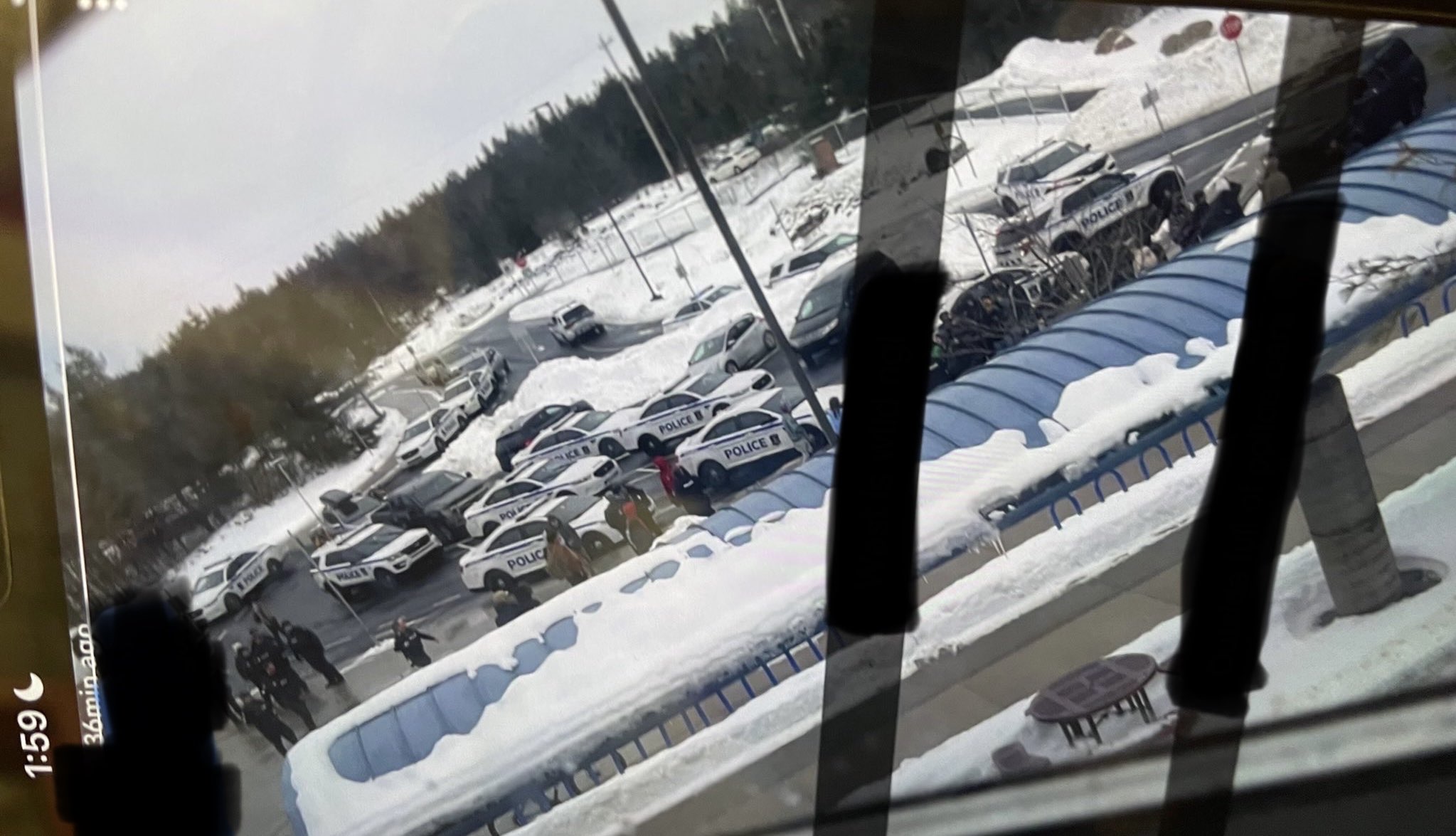
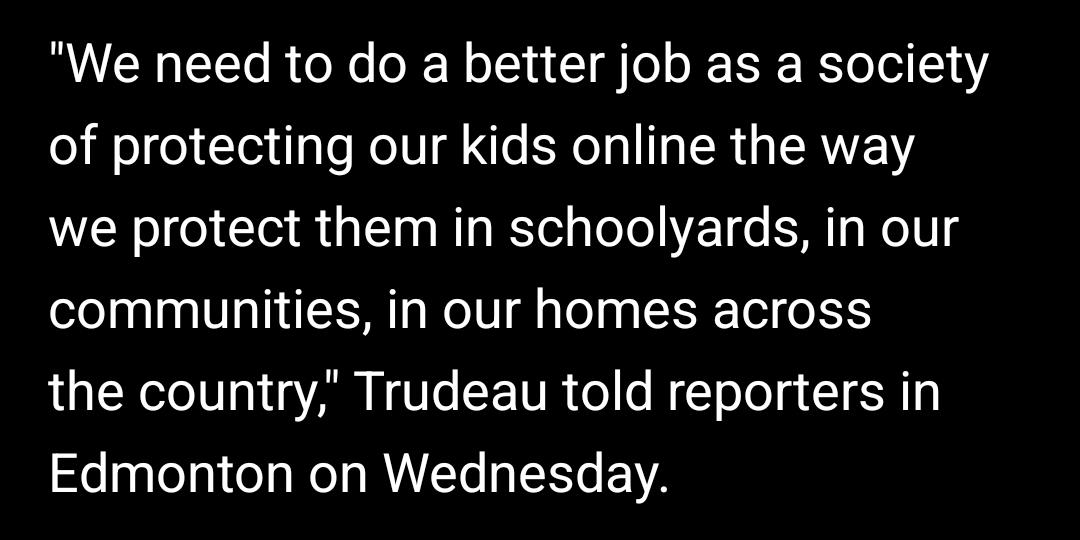
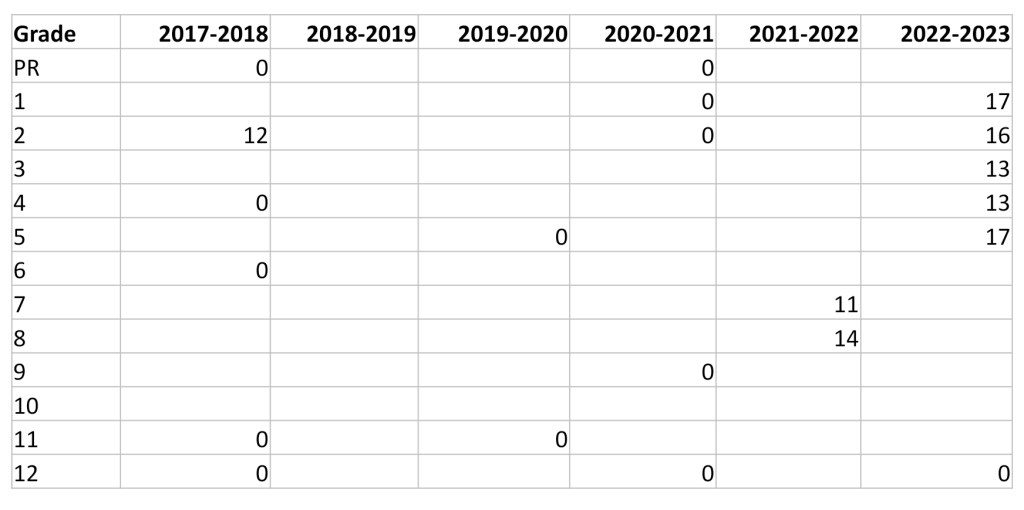
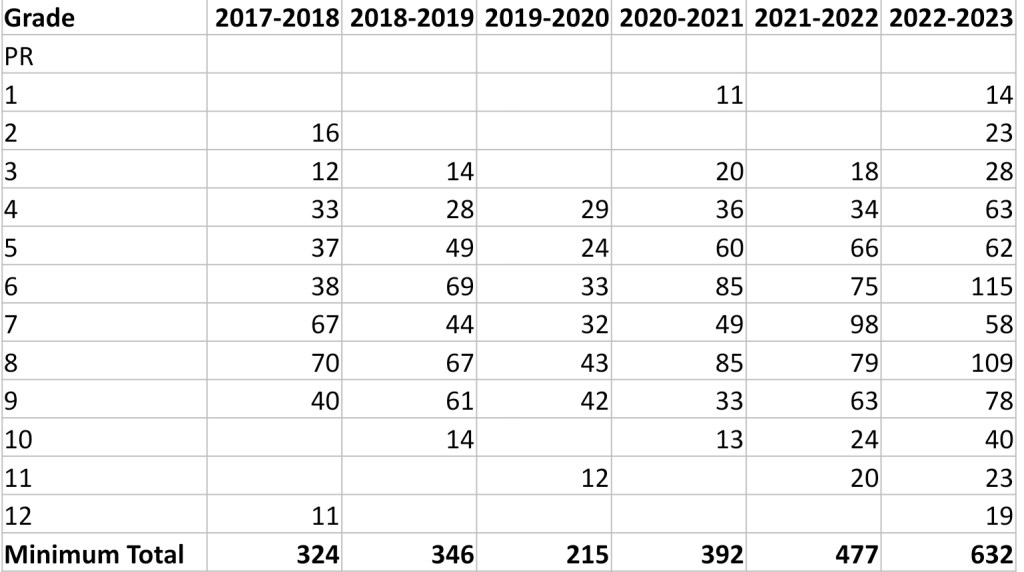
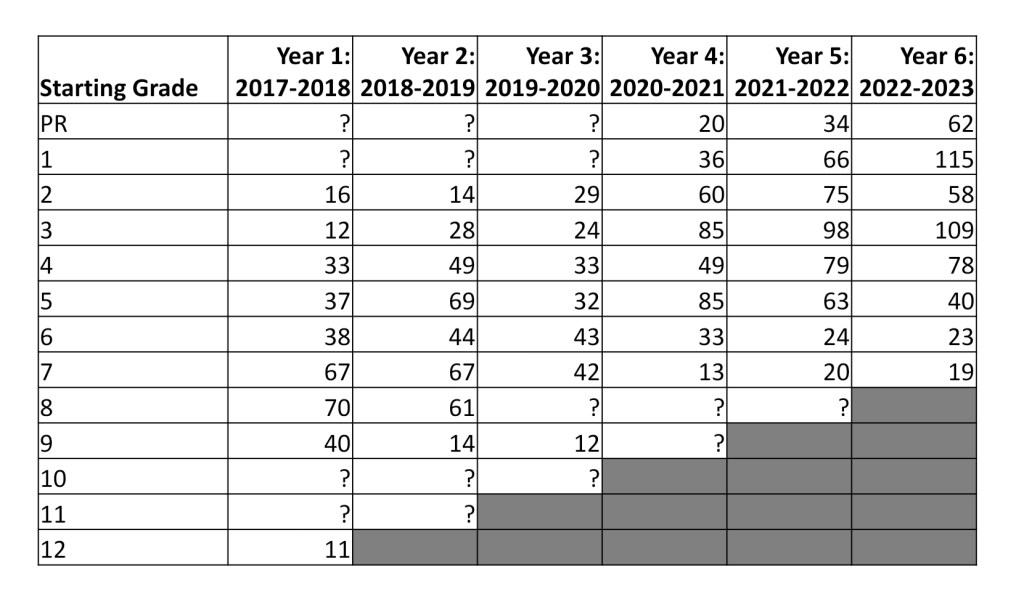
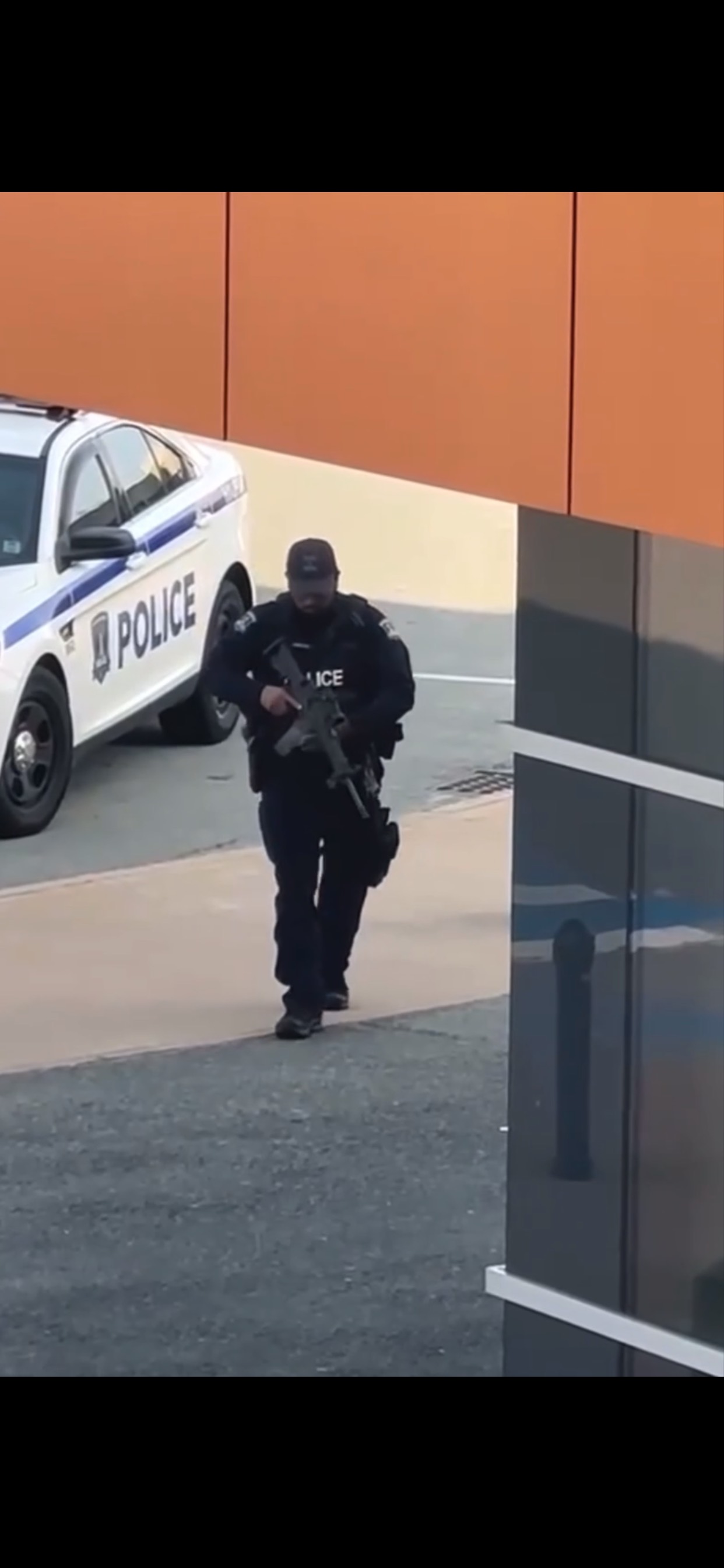
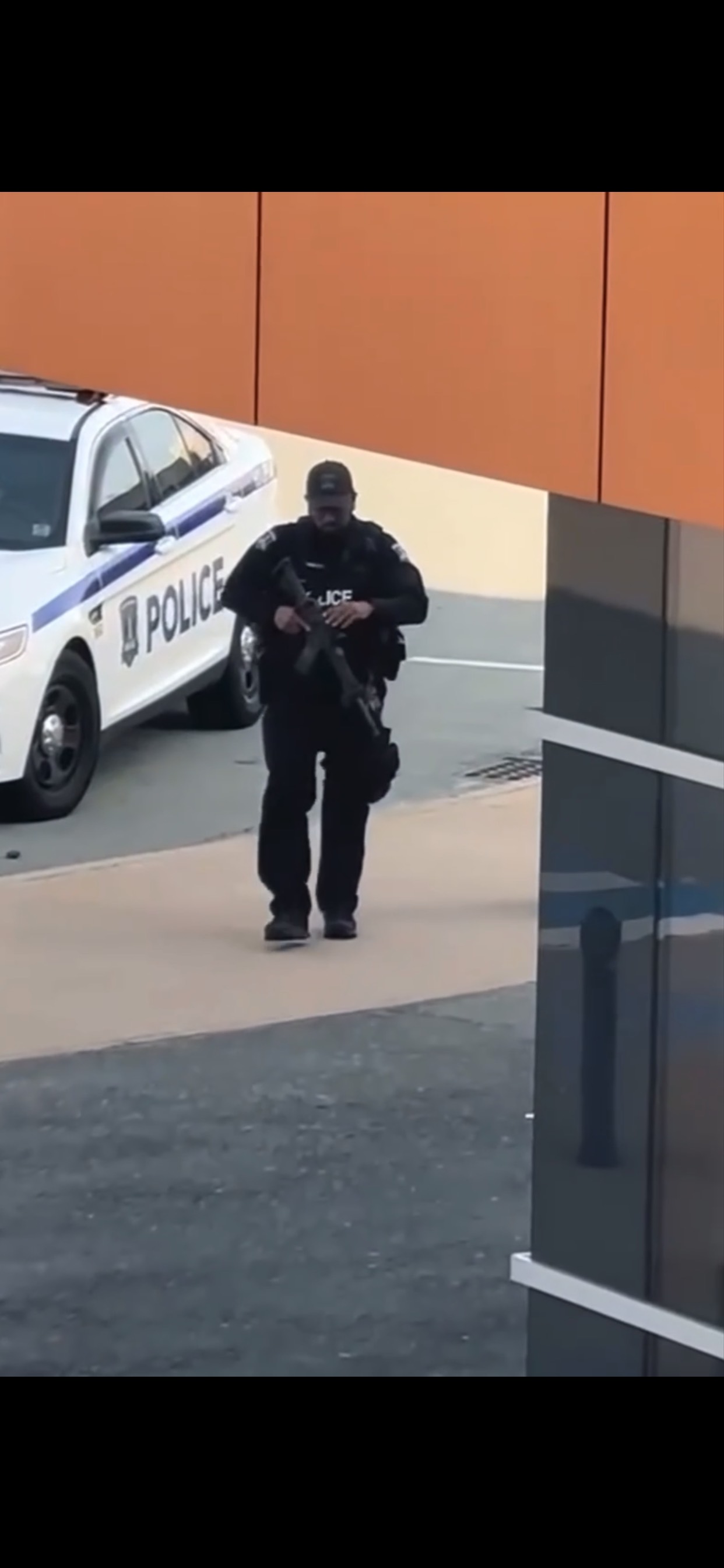
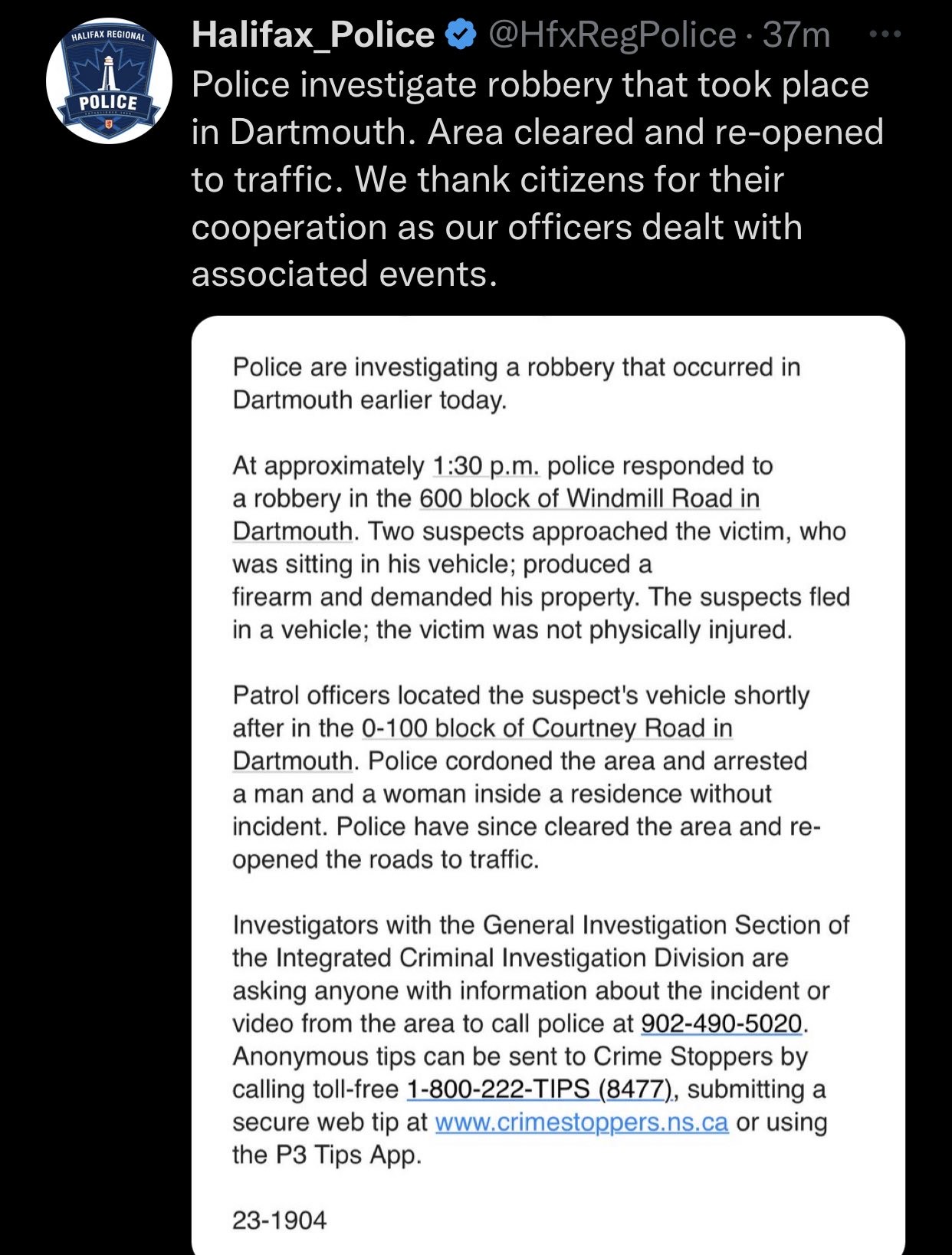
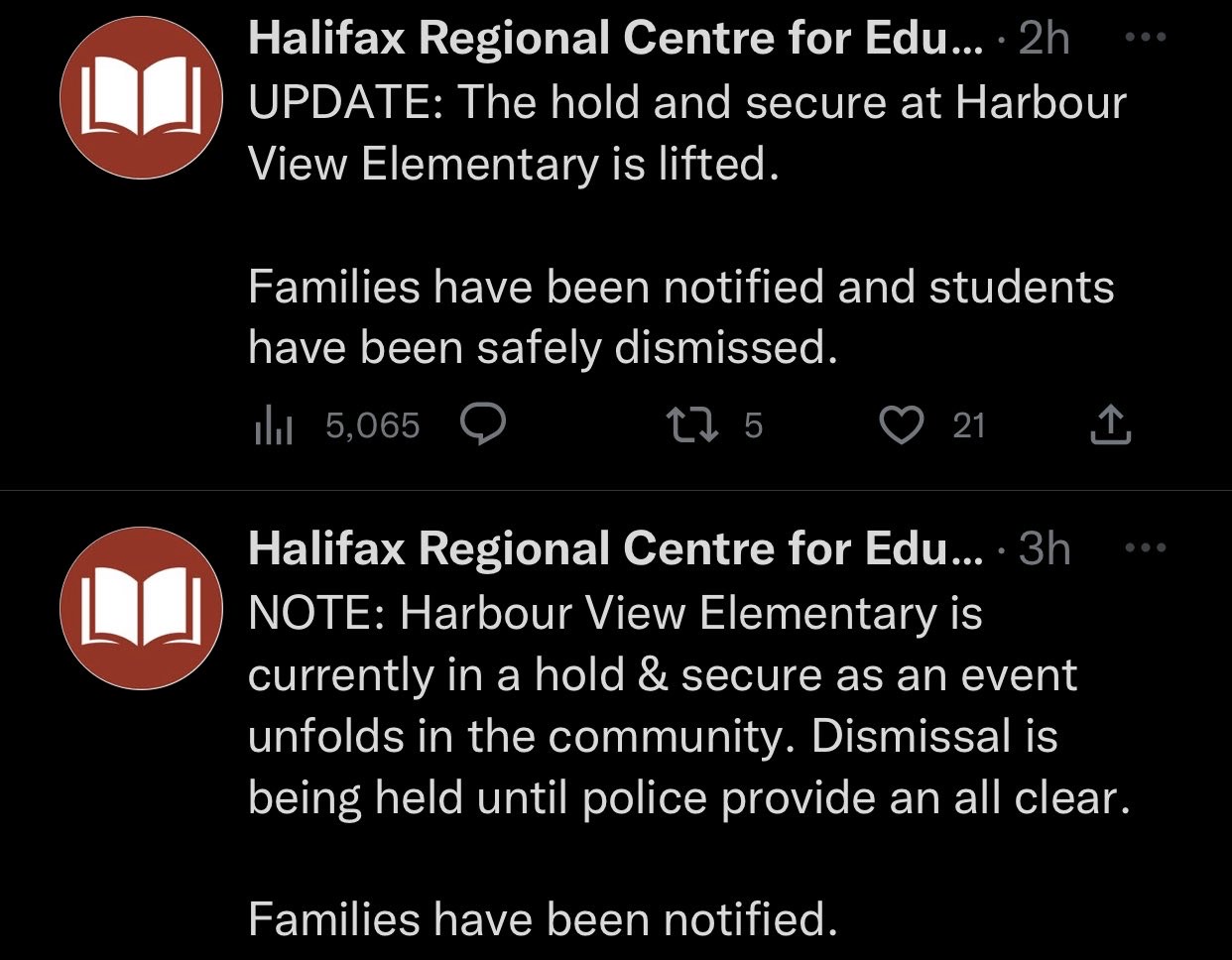
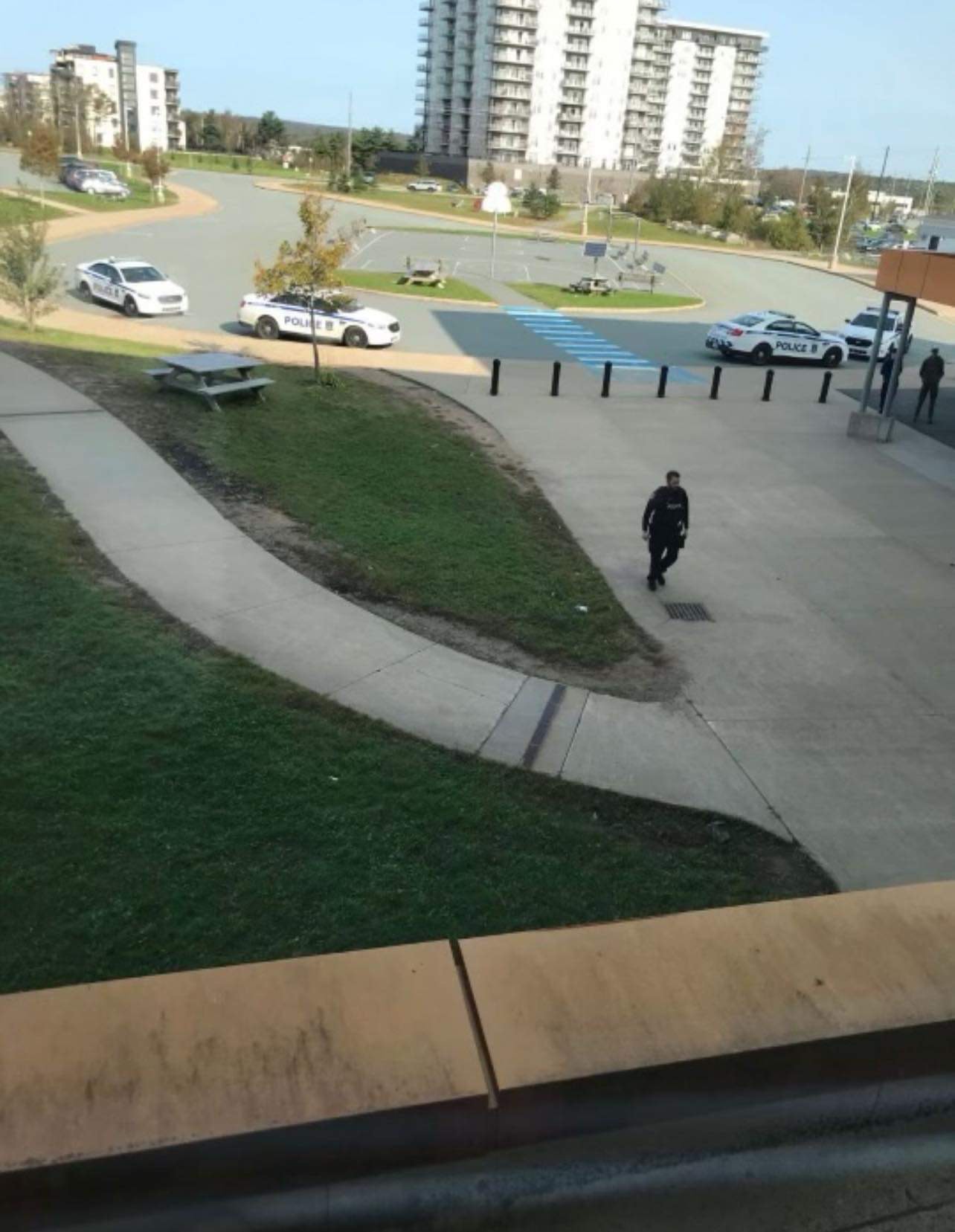
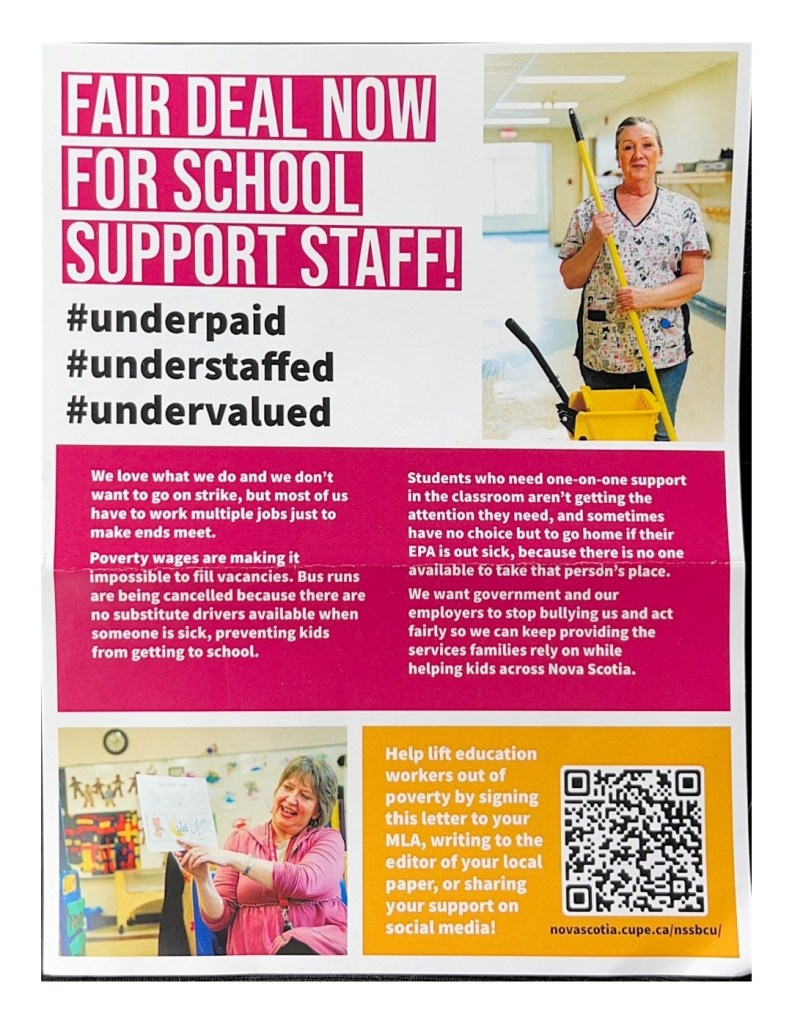
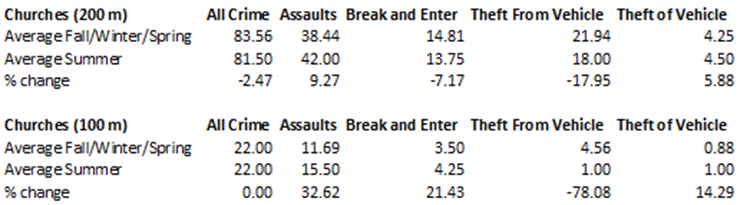
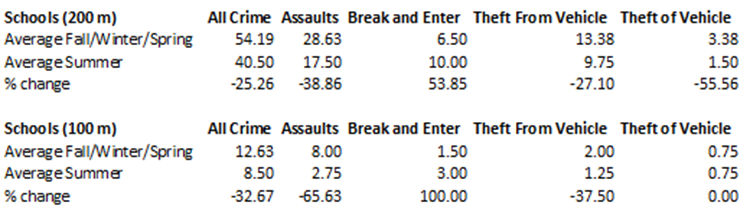




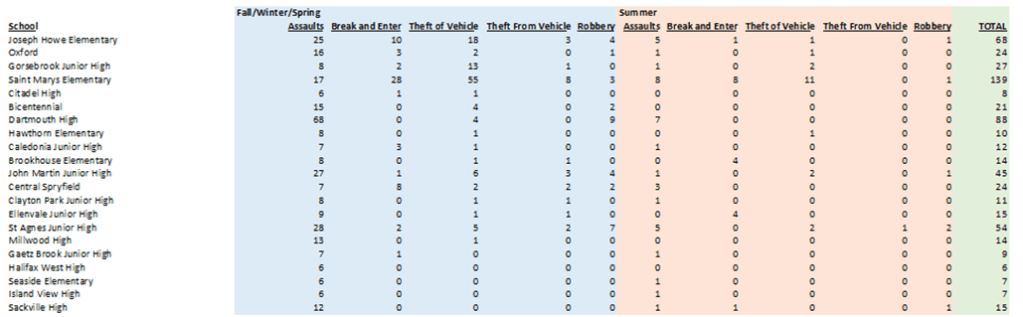

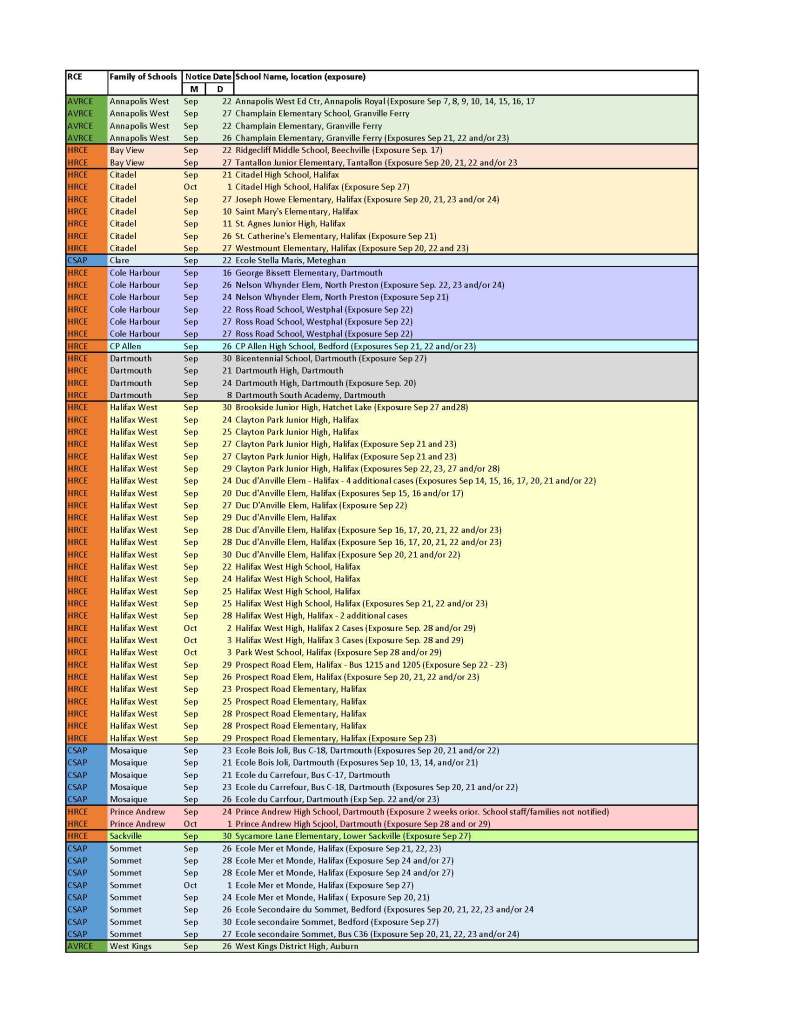
 Nova Scotia Parents for Public Education